Sierra Nevada de Santa Marta: its peoples and how to visit with respect
Orientation guide to the Sierra Nevada de Santa Marta in Colombia, with its four Indigenous peoples, what you can visit, how to do it with respect and how to add La Guajira afterward from Riohacha.
In short
- Sierra Nevada de Santa Marta National Natural Park protects the ancestral territory of the Kággaba (Kogui), Wiwa, Iku (Arhuaco) and Kankuamo peoples.
- In the high parts of the Sierra Nevada de Santa Marta, with lagoons, páramos and snow-covered peaks, tourism activities are not allowed, according to National Parks.
- Wiwa Tour, from the same network as Punta Gallinas Tours, organizes trips in the Sierra Nevada; tours to La Guajira leave from Riohacha.
The Sierra Nevada de Santa Marta, in northern Colombia beside the Caribbean Sea, is the ancestral territory of four Indigenous peoples and one possible stop on a trip along Colombia’s Caribbean coast. This guide explains where it is, what you can visit, how to do it with respect and how to combine it with La Guajira, whose tours leave from Riohacha.
Where the Sierra Nevada de Santa Marta is and how to visit
The Sierra Nevada de Santa Marta rises beside the Caribbean Sea, in northern Colombia. Part of the massif is protected as Sierra Nevada de Santa Marta National Natural Park, which has territory in the departments of Magdalena, Cesar and La Guajira, according to the park page from Colombia’s National Natural Parks (accessed October 5, 2026).
The high areas, with lagoons, páramos and snow-covered peaks, are not open to tourism: according to National Parks, entering those sectors is an environmental violation. What you can do is travel through the Sierra with operators that work in the area, such as Wiwa Tour, from the same network as Punta Gallinas Tours, or choose the trips with their own guides on this site, such as Ciudad Perdida and Minca.
Does it have snow?
Yes: the Sierra reaches permanent snow, and its snow-covered peaks are Bolívar and Colón, according to the park page on the previous National Parks portal. The snow-covered peaks are not visited, because those areas are closed to tourism.
Kogui, Arhuaco, Wiwa and Kankuamo peoples
The park protects the ancestral territory of four Indigenous peoples, according to Colombia’s National Natural Parks: the Kággaba (Kogui), the Wiwa, the Iku (Arhuaco) and the Kankuamo.
Their beliefs and practices are told by them and by those who work with their communities, so this guide does not describe them. If you buy an Arhuaco mochila or any handicraft from the Sierra, buy it from the person who makes it or from an organization that works directly with the communities, and ask where the piece comes from.
Ciudad Perdida and Minca
Ciudad Perdida and Minca have their own guides on this site: Ciudad Perdida, with the trek and how to book it, and Minca, with what to do there. Expotur Eco, the company that operates Punta Gallinas Tours, operates the Ciudad Perdida trek in 3, 4 or 5 days and a one-day tour to Minca, and both can also be booked through Punta Gallinas Tours: the 4-day Ciudad Perdida tour and the Minca tour from Santa Marta, among others.
How to combine the Sierra Nevada with La Guajira
Tours to Alta Guajira leave Riohacha at 8:30 a.m., not Santa Marta. The practical order is to finish the Sierra part, transfer to Riohacha and sleep there the night before the tour leaves. The Santa Marta to La Guajira guide explains that route.
Two examples with the durations of the network’s tours:
- Ciudad Perdida and Punta Gallinas: the 4-day Ciudad Perdida trek, the transfer to Riohacha with a night there, and the 3-day tour to Punta Gallinas, which returns to Riohacha on day 3 around 3:00 p.m.
- Minca and Cabo de la Vela: the one-day tour to Minca, the transfer to Riohacha with a night there, and the 2-day tour to Cabo de la Vela, which returns to Riohacha on day 2 after lunch.
If you do La Guajira first, the order is reversed: each tour’s return to Riohacha sets the day from which you can continue toward the Sierra.
Visit with respect
- Do not enter closed areas. Lagoons, páramos and snow-covered peaks are not open to tourism, according to National Parks.
- Do not arrive at a community without an invitation. Visits are made with operators that work with them and in places the communities allow.
- Ask permission before photographing anyone, and accept no as an answer.
- Buy handicrafts from the person who makes them or from organizations that work directly with the communities.
- Take your trash back to the city.
Tours in the Sierra (Wiwa Tour)
Other trips through the Sierra Nevada are organized by Wiwa Tour, from the same network: you can see the options at Sierra Nevada with Wiwa Tour. In the Sierra, Punta Gallinas Tours sells the Ciudad Perdida trek and the Minca tour, operated by Expotur Eco; both are listed under tours in the Sierra Nevada.
If after the Sierra you want to continue toward the desert, tours in La Guajira leave from Riohacha. The 2-day Cabo de la Vela tour costs from COP 409,500 per person and the 3-day Punta Gallinas tour from COP 900,000, in both cases for groups of 6 or more.
Sources consulted
- Colombia’s National Natural Parks, Sierra Nevada de Santa Marta National Natural Park, accessed October 5, 2026.
- Colombia’s National Natural Parks, previous portal: Sierra Nevada de Santa Marta National Natural Park (names of the snow-covered peaks), accessed October 5, 2026.
Heading on to La Guajira?
Tours to Cabo de la Vela and Punta Gallinas leave Riohacha at 8:30 a.m.
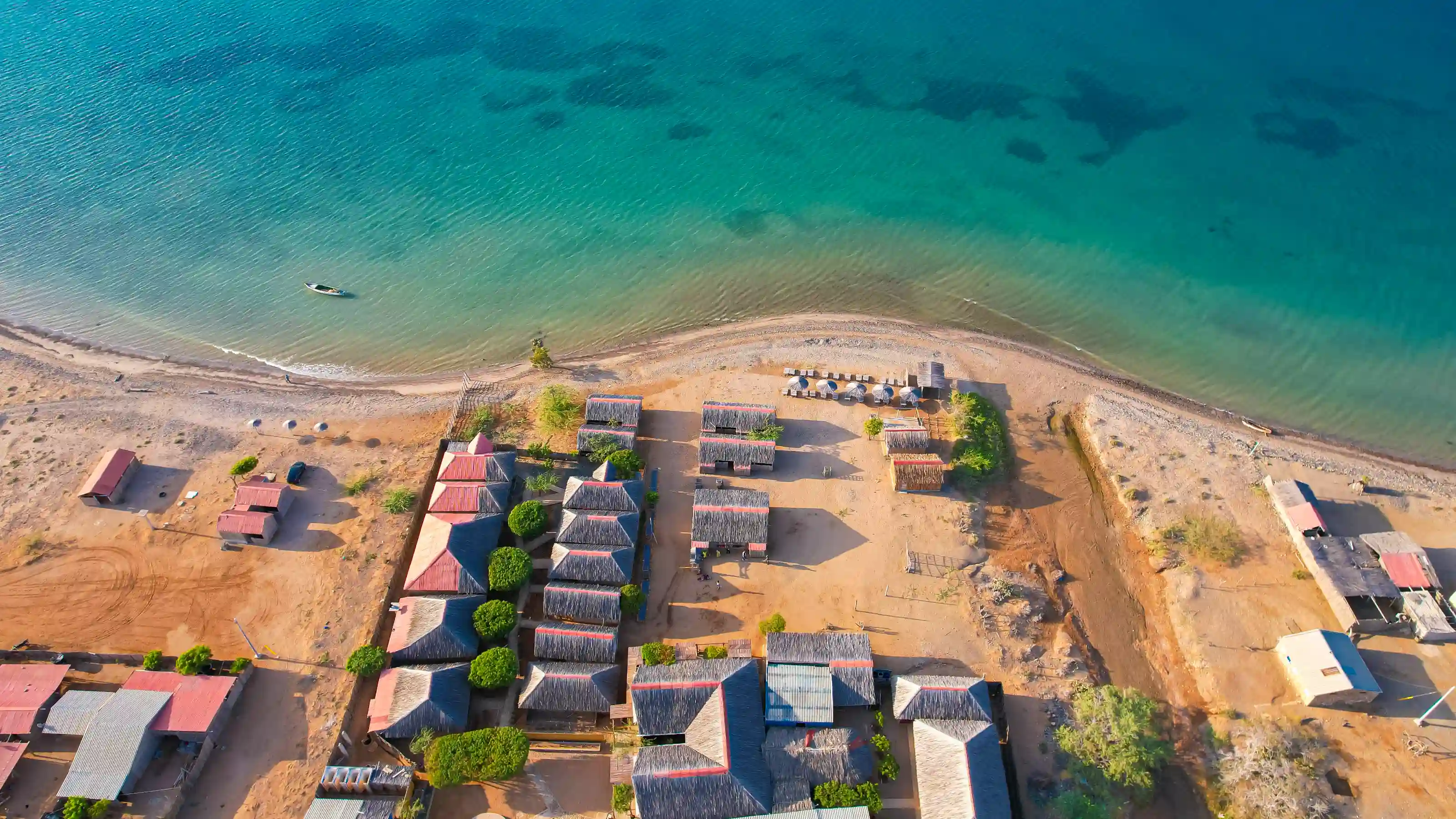 2 days and 1 night
Cabo de la Vela tour 2 days from Riohacha
The 2-day Cabo de la Vela tour is a private 4×4 trip that leaves Riohacha at 8:30 a.m. It stops at the Manaure salt flats, Uribia, Pilón de Azúcar, the lighthouse and Playa Arcoíris, with a night in a chinchorro hammock in a Wayuu ranchería (settlement). The Cabo de la Vela tour costs from COP 409,500 per person for groups of 6 or more, with a 7% deposit to book.
- 1 night in a hammock
- Leaves from Riohacha
- 4×4 with air conditioning
Next departure: Wed Oct 14
Per person, group of 2
COP 803,250COP 409,500 per person in groups of 6 or more.
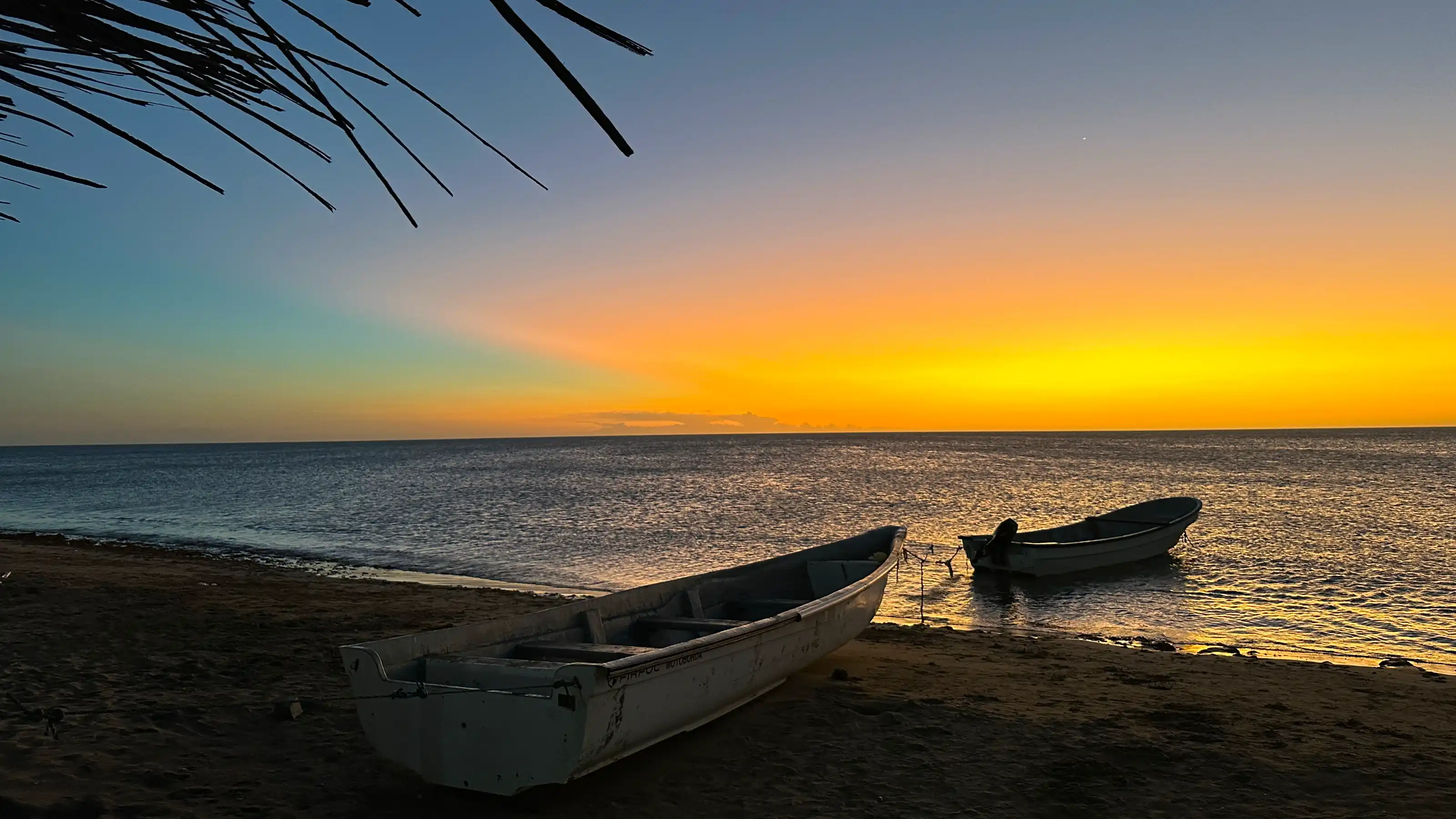 3 days and 2 nights
Punta Gallinas tour 3 days (with Cabo de la Vela)
The 3-day Punta Gallinas tour is a private 4×4 trip from Riohacha, leaving at 8:30 a.m. It covers the Manaure salt flats, Uribia, Cabo de la Vela, Bahía Hondita, the Taroa dunes and the Punta Gallinas lighthouse, with two nights in chinchorro hammocks in Wayuu rancherías (settlements). The 3-day tour costs from COP 900,000 per person for groups of 6 or more, with a 7% deposit to book.
- 2 nights in a hammock
- Leaves from Riohacha
- 4×4 with air conditioning
Next departure: Wed Oct 14
Per person, group of 2
COP 1,650,000COP 900,000 per person in groups of 6 or more.
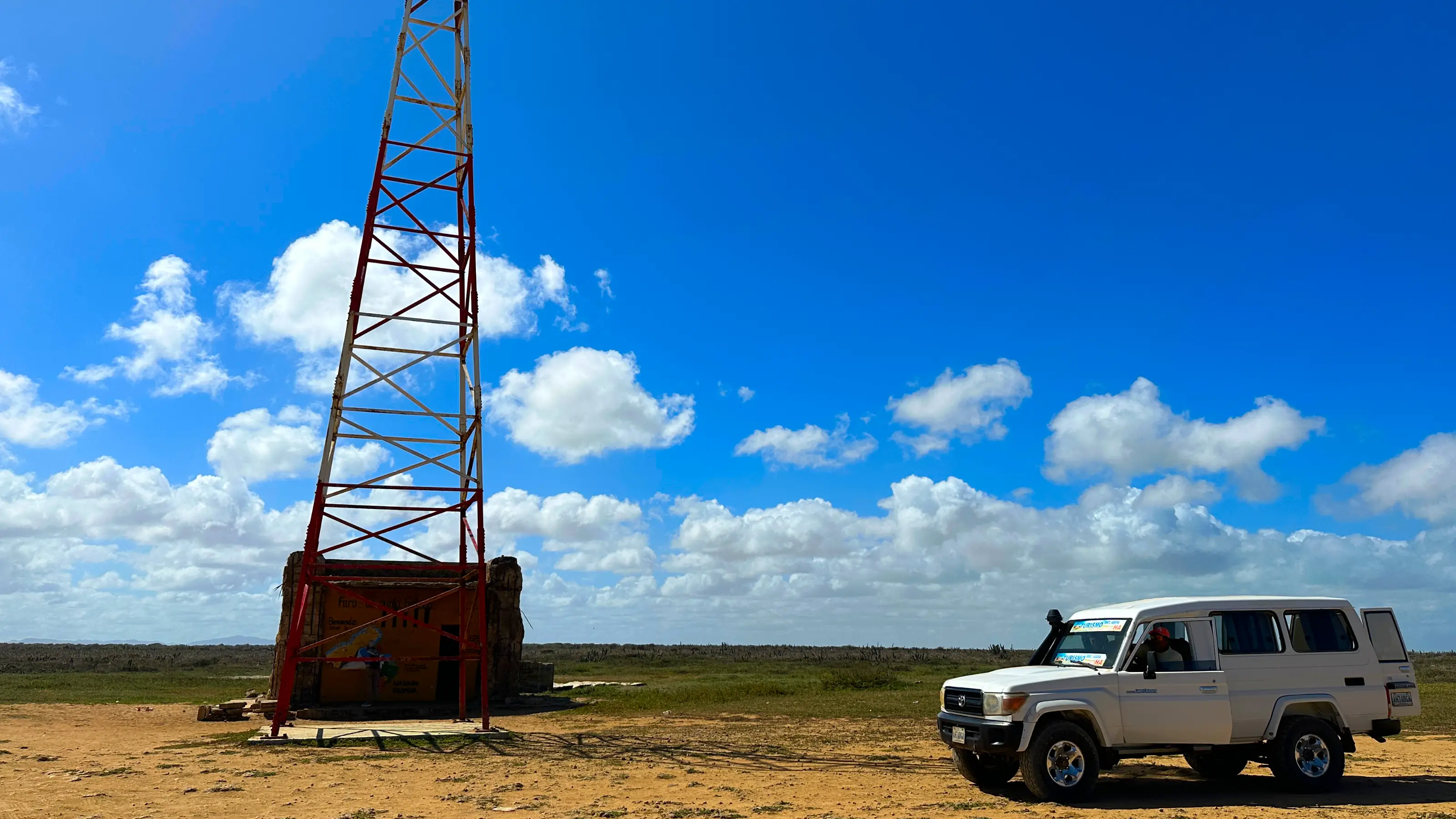 4 days and 3 nights
Punta Gallinas tour 4 days: Cabo de la Vela and Punta Gallinas
The 4-day Cabo de la Vela and Punta Gallinas tour is private and leaves Riohacha at 8:30 a.m. by 4×4. It follows the 3-day route and adds a second night in Punta Gallinas and sunset at Punta Agujas, with three nights in chinchorro hammocks in Wayuu rancherías (settlements). The 4-day tour costs from COP 955,500 per person for groups of 6 or more, with a 7% deposit to book.
- 3 nights in a hammock
- Leaves from Riohacha
- 4×4 with air conditioning
Next departure: Wed Oct 14
Per person, group of 2
COP 1,874,250COP 955,500 per person in groups of 6 or more.
Tours to Cabo de la Vela and Punta Gallinas leave Riohacha at 8:30 a.m.
See the La Guajira toursYou can also book this trip with Wiwa Tour: Sierra Nevada with Wiwa Tour
Frequently asked questions
Does it snow in the Sierra Nevada de Santa Marta?
Yes. The Sierra Nevada de Santa Marta reaches permanent snow, and its snow-covered peaks are Bolívar and Colón, according to Colombia’s National Natural Parks. Those high areas, with lagoons, páramos and snow-covered peaks, are not open to tourism, and entering those sectors is an environmental violation. The snow-covered peaks are not visited.
Where is the Sierra Nevada de Santa Marta?
The Sierra Nevada de Santa Marta is in northern Colombia, beside the Caribbean Sea. Sierra Nevada de Santa Marta National Natural Park has territory in the departments of Magdalena, Cesar and La Guajira, according to National Parks. For travelers on Colombia’s Caribbean coast, it combines with Santa Marta, Ciudad Perdida and Minca, and with Alta Guajira, whose tours leave from Riohacha.
Which Indigenous peoples live in the Sierra Nevada de Santa Marta?
Colombia’s National Natural Parks names four peoples whose ancestral territory is protected by Sierra Nevada de Santa Marta National Park: the Kággaba (Kogui), the Wiwa, the Iku (Arhuaco) and the Kankuamo. They are distinct peoples, and the way to learn about them is with respect and with operators that work with their communities.
Can I visit an Indigenous community in the Sierra Nevada?
Punta Gallinas Tours does not organize visits to communities in the Sierra Nevada de Santa Marta. If you want to visit the Sierra, do it with an operator that works in the area, such as Wiwa Tour, and respect what each community decides about visits and photos. The high areas, with lagoons, páramos and snow-covered peaks, are not open to tourism.